
Nationally Recognized Attorneys With Groundbreaking Results
We are a Florida-based law firm that has won precedent-setting trials across the country, including appellate victories at the Supreme Court level. Though we are nationally renowned, we take pride in operating as a boutique, local law firm. Our focus areas include immigration, personal injury and more.
Seasoned Attorneys For Complex Challenges
We are a Florida-based law firm that has won precedent-setting trials across the country, including appellate victories at the Supreme Court level. Though we are nationally renowned, we take pride in operating as a boutique, local law firm. Our focus areas include immigration, personal injury and more.


We Wrote The Book On
Immigration – Literally
Founding partner Ira Kurzban authored the Immigration Law Sourcebook. This reference guide is widely used by judges, government officials and other immigration lawyers. As a recognized leader in immigration law and litigation, we handle a broad spectrum of matters from family and employment-based visas to deportation defense and immigration appeals.

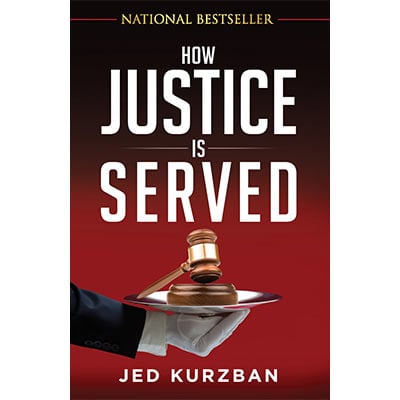
How Justice Is Served: Trial Law Through Jed Kurzban’s Eyes
How Justice Is Served is the newly published book on trial law authored by our founding partner, Jed Kurzban. This insightful book highlights the three phases of a personal injury case with examples of Jed’s high-stakes and humorous courtroom experiences. Buy the book here on Amazon.
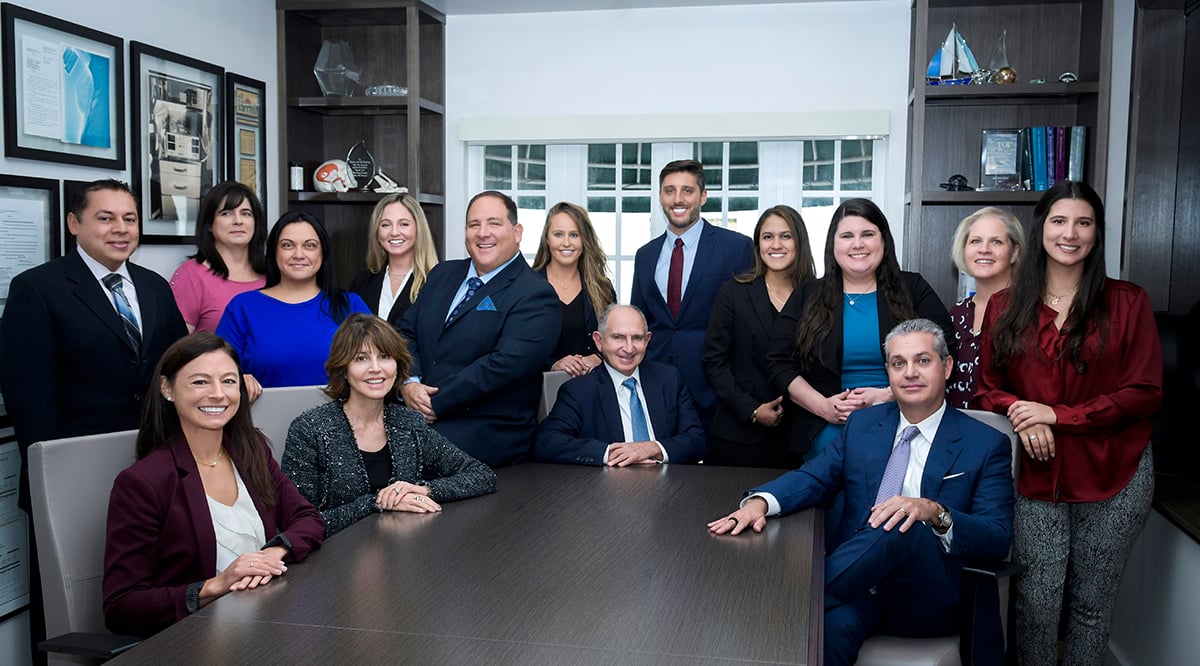
A Multitalented Legal Team Serving Florida And The U.S.
From An Injury To An Immigration Issue – Don’t Face It Alone
We represent people facing medical negligence, serious injuries and other complex challenges. Our award-winning legal team has served clients in Florida and around the world for more than 40 years.
- Immigration issues
- Severe personal injuries and medical malpractice
- Business legal matters
- Complex civil litigation
Our talented and passionate attorneys are litigators at heart. We work in tandem with a network of local lawyers to attain results in truly challenging cases. Our team has achieved trial and appellate court victories throughout the United States.
Results That Speak For Themselves
$6.1 Million
Kidney Disease
Jury verdict in Hawaii against a general practitioner physician that failed to diagnose and treat the signs of kidney disease in a 45-year-old man. When the client was finally referred to a specialist, he was suffering from end-stage kidney failure and suffered catastrophic injury to his health and his business.
$3.5 Million
Medical Negligence
Settlement against a South Florida hospital, neurosurgeon, and plastic surgeon for medical negligence that left a 55-year-old male with prolonged wound healing, difficulty in walking, and long-term antibiotic treatment when they delayed treatment of a severe infection post spinal laminectomy.
$2.3 Million
Car Accident
Settlement against two construction companies for causing the death of a 20-year-old man who was killed when his vehicle collided with a boom crane whose hook was improperly hanging from its equipment during unauthorized overnight work.

Local Roots, International Reputation
As a premier Florida law firm, Kurzban Kurzban Tetzeli & Pratt, P.A., has developed a national and international reputation for aggressive advocacy that gets results. We have the experience to offer full-service immigration solutions, business solutions and commercial consulting to international clients.
Our business and commercial law attorneys represent clients in federal and state courts and in arbitration and mediation. They are zealous advocates who prioritize practical and cost-effective solutions.
Our serious injury attorneys have set the standard by obtaining record-setting verdicts in medical malpractice and catastrophic injury cases. We don’t just achieve justice for clients, we also change laws to pave the way for other injured plaintiffs.
Results That Speak For Themselves
$6.1 Million
Kidney Disease
Jury verdict in Hawaii against a general practitioner physician that failed to diagnose and treat the signs of kidney disease in a 45-year-old man. When the client was finally referred to a specialist, he was suffering from end-stage kidney failure and suffered catastrophic injury to his health and his business.
$3.5 Million
Medical Negligence
Settlement against a South Florida hospital, neurosurgeon, and plastic surgeon for medical negligence. The plaintiff, a 55-year-old man, suffered prolonged wound healing, difficulty walking, and long-term antibiotic treatment when the defendants delayed treatment of a severe infection post-spinal laminectomy.
$2.3 Million
Car Accident
Settlement against two construction companies for causing the death of a 20-year-old man who was killed when his vehicle collided with a boom crane whose hook was improperly hanging from its equipment during unauthorized overnight work.




















We provide exceptional advocacy and results. Arrange a consultation with one of our lawyers by sending us an email or calling 305-744-5888.